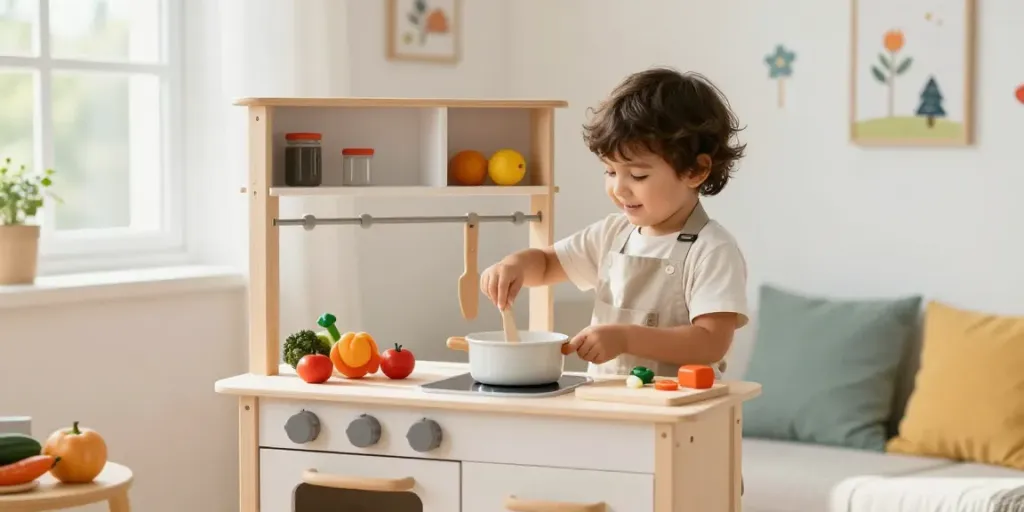
Understanding the Appeal of Wooden Kitchens
In a world increasingly focused on sustainability and creativity, wooden kitchens have emerged as a popular choice for children’s playtime. These beautifully crafted sets not only serve as toys but also stimulate imaginative play and learning. Parents are increasingly recognizing the unique advantages of these eco-friendly alternatives to plastic, paving the way for nurturing both creativity and practical skills in their little ones. When exploring options, wooden kitchen sets offer comprehensive insights into quality craftsmanship and educational value.
Why Parents Choose Wooden Kitchen Sets
Wooden kitchen sets have become a preferred choice for parents for several reasons. Firstly, their durability stands out; unlike plastic toys, which can easily break and end up in landfills, wooden toys are designed to last, often becoming treasured heirlooms. Furthermore, parents appreciate the aesthetic appeal of wooden kitchens, as they complement home decor while providing a space for their children to play. With various designs available, they can even match the child’s play area with existing furniture.
Benefits of Eco-Friendly Play Toys
In an era where environmental consciousness is paramount, the demand for eco-friendly play toys has soared. Wooden kitchens are made from sustainable materials, often sourced from responsibly managed forests. They are free from harmful chemicals typically found in plastic toys, making them a safer choice for children. Additionally, the production processes for wooden toys tend to have a lower carbon footprint compared to their plastic counterparts. By choosing wooden toys, parents not only encourage eco-friendly practices but also instil these values in their children from a young age.
The Role of Imaginative Play in Child Development
Imaginative play is critical for child development, helping children develop cognitive and social skills. Wooden kitchens provide a perfect platform for role-playing, enabling children to mimic real-life scenarios. This type of play fosters creativity, enhances problem-solving skills, and improves communication as children engage with peers or family members. Moreover, through pretend cooking, children learn concepts such as sharing, cooperation, and even basic mathematical skills as they measure out ingredients.
Features to Look for in a Quality Wooden Kitchen
When purchasing a wooden kitchen set, it is essential to consider various features to ensure that you are investing in a quality product that will stand the test of time. High-quality sets not only offer lasting play value but also enhance the overall experience for children.
Material Quality and Safety Standards
Choosing a wooden kitchen made from high-quality materials is crucial. Look for kitchens crafted from solid hardwoods, such as maple or birch, as they provide better durability and resistance to wear and tear. Furthermore, it is vital to check that the toys comply with safety standards set by relevant authorities, ensuring no sharp edges or toxic finishes are present. Many reputable manufacturers offer certifications proving their adherence to safety guidelines.
Design Considerations for Different Age Groups
Not all wooden kitchens are created equal; designs vary significantly to suit different age groups. For toddlers, a more compact and simple kitchen may suffice, featuring larger knobs and fewer components. As children grow, their kitchens can evolve with them, incorporating more intricate designs and additional accessories. When selecting a kitchen, consider the size of the play area and the probable age range of children who will use it.
Essential Accessories for Enhanced Play Experience
To enrich the play experience, it’s beneficial to purchase accompanying accessories. These can include pots, pans, utensils, and pretend food items. Many wooden kitchen sets come with optional add-ons, providing children with the tools to fully immerse themselves in their culinary adventures. Accessories that encourage cooperative play, such as multi-user setups, can also foster social interaction and teamwork.
Creating a Playful Atmosphere with Wooden Kitchens
Creating an inviting play environment can significantly enhance a child's play experience. The way a play area is set up can inspire creativity and encourage children to engage with their wooden kitchen sets actively.
Decorating the Play Area to Encourage Imagination
The decor surrounding a wooden kitchen can inspire imaginative play. Consider integrating a theme that complements the kitchen, such as a café or restaurant setting. Using colourful wall decals, themed tablecloths, or playful carpeting can create an atmosphere of fun that encourages children to dive into their pretend cooking adventures.
Combining Wooden Kitchens with Other Toys
Wooden kitchens can be seamlessly integrated with other toys to create a diverse play environment. For instance, pairing a wooden kitchen with a dining set allows for a complete cooking and serving experience, while integrating other role-play items can expand the scope of imaginative scenarios, such as running a bakery or a grocery store.
Tips for Maintaining a Fun and Safe Play Environment
To maintain a playful and safe environment, regular checks of the wooden kitchen and its accessories are crucial. Ensure that all parts are present and intact, and clean the surfaces regularly to keep them hygienic. Additionally, make sure the play area remains clutter-free to prevent accidents, fostering a space where children can play safely and creatively.
Real-Life Examples of Wooden Kitchen Setups
Seeing how others set up their wooden kitchens can provide inspiration and ideas for your own space. Various configurations and themes can help spark creativity and lead to more engaged play.
Inspiring Playroom Designs from Around the World
Playrooms with well-designed wooden kitchens are found worldwide, showcasing diverse themes and innovative configurations. For example, Scandinavian designs often emphasize minimalism and functionality, featuring clean lines and neutral tones that cater to both children and adults. In contrast, vibrant and colourful setups can be seen in more eclectic playrooms, where creativity takes centre stage.
Case Studies: Benefits Observed in Children
Numerous case studies highlight the advantages of wooden kitchen play in child development. Research indicates that children who engage in role play with toys, such as kitchen sets, demonstrate improved social skills, creativity, and verbal communication. Observations from various preschools show that children involved in such imaginative play often display increased problem-solving abilities and emotional intelligence, highlighting the profound impact of these experiences on their development.
Interviews with Parents on Their Experiences
Parents have reported positive experiences with wooden kitchen sets, emphasising the benefits they have observed in their children. Many express satisfaction with the durability and aesthetic appeal of wooden kitchens, while others recount how watching their children engage in imaginative play has been a source of joy. These personal stories affirm the value of wooden kitchens in fostering creativity and enhancing family bonding experiences.
Future Trends in Children’s Wooden Play Kitchens
As the market for wooden play kitchens continues to evolve, new trends and innovations are shaping the landscape for 2026 and beyond. Parents and manufacturers alike are keen to keep pace with changing preferences and needs.
Innovative Designs and Features to Expect in 2026
The future of wooden kitchens will likely see a move towards more modular designs that allow for customization and expansion. This could include features such as adjustable heights, interchangeable components, or even kitchens equipped with technology that encourages learning through play. These advancements aim to keep children engaged while also adapting to their developmental needs.
The Rise of Customisable Playsets
Customisation will become increasingly popular, allowing children to personalise their kitchens in ways that reflect their unique interests. Options could include different colour schemes, styles, and accessories, providing each child with a distinct playset that feels personal and special. This trend will likely enhance children's attachment to their toys and encourage them to take creative ownership of their play experiences.
Eco-Conscious Manufacturing Techniques in the Industry
The focus on sustainability in toy manufacturing will continue to grow, with companies investing in eco-conscious practices. Innovations such as biodegradable materials, responsible sourcing, and environmentally friendly production processes are expected to become the norm. Parents are increasingly likely to seek out products that align with their values, leading to a demand for transparently sourced and made wooden kitchens.
How to Choose the Right Wooden Kitchen for Your Child?
When selecting a wooden kitchen, consider your child's age, interests, and play style. Look for options that provide enough interactive features to keep them engaged but are not overly complex for their developmental stage. Opt for brands known for safety and quality to ensure you’re making a wise investment for long-term play.
Are Wooden Kitchens Worth the Investment?
Investing in a wooden kitchen often pays off given their durability and the educational value they provide. Unlike cheaper plastic alternatives that may need to be replaced frequently, a well-made wooden kitchen can last for years, often outliving multiple play cycles and styles. Additionally, the creative skills children develop while playing can contribute significantly to their overall growth.
What Age Range Benefits Most from Wooden Kitchens?
Wooden kitchens are suitable for a wide age range, typically from toddlers to early school-age children. Most kitchens on the market are designed with adjustable features or compatible accessories that grow with the child. This versatility allows children at different stages to engage and benefit from imaginative play.
How to Care for Wooden Kitchen Sets?
Maintaining wooden kitchen sets involves regular cleaning with non-toxic cleaners and ensuring they are kept in a dry environment to prevent warping. Inspect the toys for any signs of wear and tear, as timely repairs can prolong the life of the kitchen. Avoid exposing wooden toys to direct sunlight or moisture, which can damage the finish and structural integrity.
Where to Find the Best Wooden Kitchen Options?
Quality wooden kitchens can be found in various places, including specialty toy stores, online retailers, and direct from manufacturers. It is advisable to read customer reviews and check for safety certifications when making a purchase. Focusing on reputable brands known for their craftsmanship will ensure a successful investment in your child's playtime experience.